


Updated November 18, 2026. Price examples come from TCGplayer (11/18/2026), Cardmarket's official price guide (11/17/2026) and eBay sales of graded copies.
Found a Pokémon card in an old binder, or just pulled something shiny and wondering what it's worth? A card's value isn't one number. Two cards with the same Pokémon, the same artwork and the same number can be worth $100 or $2,000. This guide shows how to check Pokémon card value step by step: which details to read on the card, where to look up the price and which mistakes to avoid.
Quick answer: the 5 things that set the price
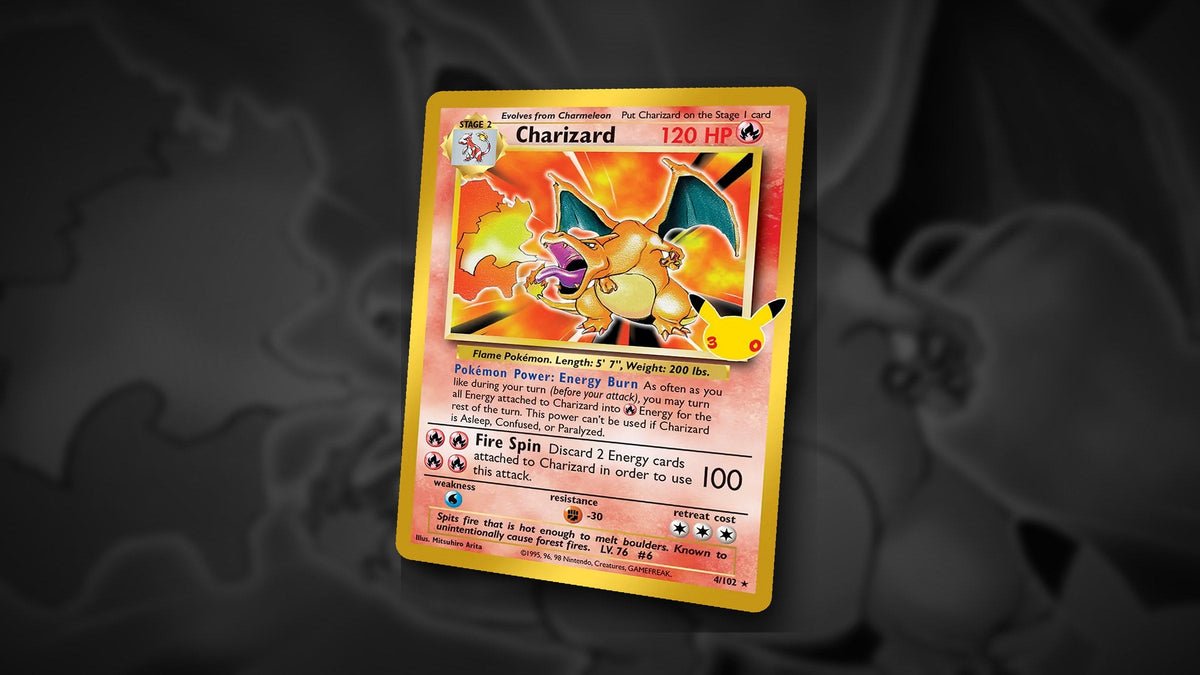
- Print and version. The same Charizard 4/102 exists in the 1999 Base Set, the 2021 reprint and the 2026 reprint, and they're worth very different amounts.
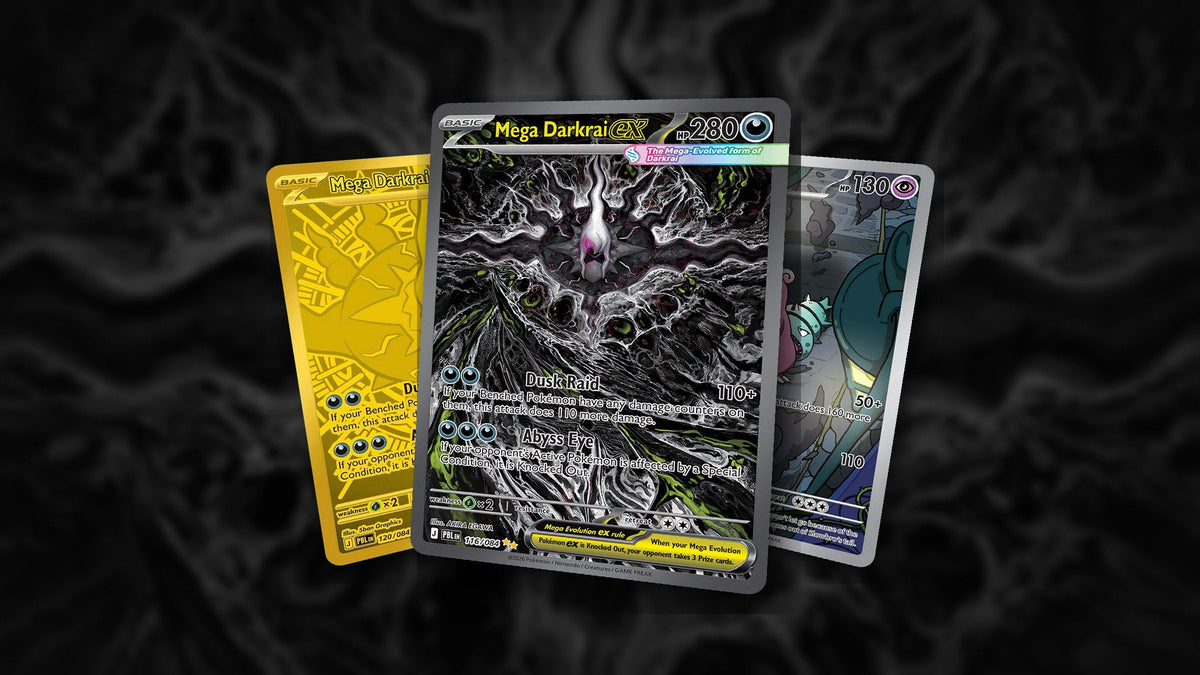
- Rarity. A card numbered higher than the set total (for example 150/128) is a secret rare and is usually worth more.
- Condition. Scratches, worn corners and creases cut the price compared with a perfect copy, and on expensive cards the gap is large.
- Language. English, Japanese and other languages trade in separate markets at different prices.
- Grading. A card graded by PSA, CGC or Beckett with a high grade can be worth many times the same card raw.
Above all of these sits demand: Charizard, Pikachu, Mew and Lugia are worth more because more people want them.
Step 1: identify the exact card
The first mistake is searching by name only. There are thousands of different Pikachu cards. To find yours you need three details, all printed on the card:
- the name of the Pokémon or Trainer;
- the number at the bottom, for example 150/128;
- the set symbol, the small logo near the number that tells you the expansion.
Then check the finish. Many cards come as a regular print, a holo (the artwork shines) and a reverse holo (the rest of the card shines). These are different cards with different prices. Recent sets also have "illustration" versions of the same card, with full-art artwork and a higher number.
If in doubt, compare your card with the official scan: the Pokémon TCG API and the big marketplaces show an image of every version.
Step 2: look up the price in the right place
TCGplayer: the US reference
TCGplayer is the main US marketplace. Its Market Price is based on completed sales, almost always of English copies, in dollars. It's the number most US collectors quote when they talk about value.
eBay sold listings
On eBay, filter by Sold items. That shows what buyers actually paid, which is the best reference for graded cards and for anything TCGplayer rarely sells.
Cardmarket: the reference in Europe
Cardmarket is the European marketplace. Each card page shows the lowest listing, a price trend based on recent sales and 1-, 7- and 30-day averages. If the 30-day average is above the trend, the price is falling. Set the language and condition filters before you read a price.
Sold prices beat asking prices
A $500 listing doesn't mean the card is worth $500. What counts is what cards actually sold for: TCGplayer's Market Price, Cardmarket's trend and averages, and eBay sold listings.
Rarity and numbering
Every card has a number at the bottom (for example 4/102) and a rarity symbol:
- circle = common
- diamond = uncommon
- star = rare (holo rare and up)
Every symbol, with examples and prices, is in our Pokémon rarity symbols guide.
In recent series, higher rarities have more stars or colored stars: Double Rare, Illustration Rare, Special Illustration Rare, Hyper Rare. The number helps a lot: if the first number is higher than the second (for example 150/128 in 30th Celebration), the card is a "secret" outside the main set list and is usually worth more.
There are exceptions. In 30th Celebration, the three most expensive cards, Mew R/RGB, G/RGB and B/RGB, carry a letter code instead of a number. They're in our ranking of 30th Celebration chase cards.

Condition and grading
Condition grades on TCGplayer
TCGplayer uses five conditions:
| Condition | What it means, briefly |
|---|---|
| Near Mint (NM) | Looks fresh from the pack, at most a tiny flaw |
| Lightly Played (LP) | Minor wear on edges or corners |
| Moderately Played (MP) | Clear wear, small creases possible |
| Heavily Played (HP) | Heavy wear |
| Damaged | Tears, big creases, water damage |
Cardmarket in Europe uses a seven-step scale (Mint, Near Mint, Excellent, Good, Light Played, Played, Poor), so check which scale a listing uses.
Look at the card under a light, front and back: corners, edges, surface (scratches on the holo) and centering (equal borders on all four sides). Be strict: buyers will be.
Grading
Grading is an assessment by a specialist company such as PSA, CGC or Beckett (BGS). The card is examined, gets a grade from 1 to 10 and is sealed in a slab with a certificate number. A 10 guarantees the buyer the card is flawless, which is why it's worth much more.
Grading costs money and takes weeks. It makes sense when:
- the card is already valuable raw;
- it really is in perfect condition;
- the price gap between a 10 and the raw card covers the fees and the wait.
If the card has even one visible flaw, the grade drops and most of the upside goes with it.
Worked example: one card, several prices

Take Charizard 4/102 from the 30th Celebration Classic Collection (2026), one of the most searched cards right now.
| Price | Value | Source and date |
|---|---|---|
| English, US | $110.42 | TCGplayer Market Price, 11/18/2026 |
| Europe, all languages | €163.09 trend · €159.01 30-day average | Cardmarket price guide, 11/17/2026 |
| Graded PSA 10 | $499.73–$1,125.00 | eBay sales 11/14–11/16/2026 (Slab Advisor) |
Three takeaways:
- The same Charizard costs more in Europe than in the US. You can't take the US price and convert it.
- Language matters: Cardmarket's public price guide lumps all languages together, so filter by language on the card page.
- A PSA 10 multiplies the value by 4.5 to 10 times, but only for flawless copies.
Now the same card, 4/102, in different prints (TCGplayer, 11/18/2026):
| Year | Price | |
|---|---|---|
| Base Set, Shadowless | 1999 | $2,172.24 |
| Base Set, Unlimited | 1999 | $1,001.05 |
| Celebrations: Classic Collection | 2021 | $115.83 |
| 30th Celebration: Classic Collection | 2026 | $110.42 |


Same Pokémon, same Mitsuhiro Arita artwork, same number: from 1999 to 2026 the price goes from over $2,000 to about $110. That's why the first check is always the print. The details are in our Charizard 30th Anniversary value guide.
Protect the value
A valuable card loses value fast once it's damaged. As soon as you find one:
- put it in a sleeve;
- slide it into a rigid toploader or a binder with pockets;
- keep it away from direct sunlight and humidity.
Sleeves and storage are in Otakura's accessories. Looking for new cards to open? Packs and boxes are in Pokémon TCG.
Otakura app, coming soon. Scan a card and see its price in its own language, without searching by hand.
FAQ
How much is my Pokémon card worth?
Read the number, the rarity symbol and the set symbol, then look the card up on TCGplayer (US) or Cardmarket (Europe) in the right language and condition. Recent commons and uncommons are almost always worth a few cents.
Are Japanese or non-English cards worth less?
It depends on the card. Each language has its own market and there's no fixed rule: always compare the same card in the same language.
Are old cards always worth more?
No. Some old cards in good condition are, especially Base Set and the early expansions. Many old commons are worth little, and some recent cards, like the 30th Celebration RGB Mews, sell for thousands of dollars.
Should I get my cards graded?
Only if the card is already valuable and in perfect condition. For a card worth a few dollars, grading fees are more than you'd gain.
Where can I sell my Pokémon cards?
The usual options are TCGplayer and eBay in the US, Cardmarket in Europe, plus local game stores that buy cards. Before you sell, check the recent sold price of your exact card in its language.
Sources: TCGplayer, market prices on 11/18/2026 and condition guidelines; Cardmarket, official price guide of 11/17/2026 and condition scale; Slab Advisor, eBay sales of Charizard #4 30th Celebration Classic Collection; Pokémon TCG API (cards me55c-4, cel25c-4_A, base1-4); Bulbapedia, "30th Celebration (TCG)".